
Healthy Routines for Adults with Intellectual and Developmental Disabilities: Wellness Tips for a Smooth Fall Transition
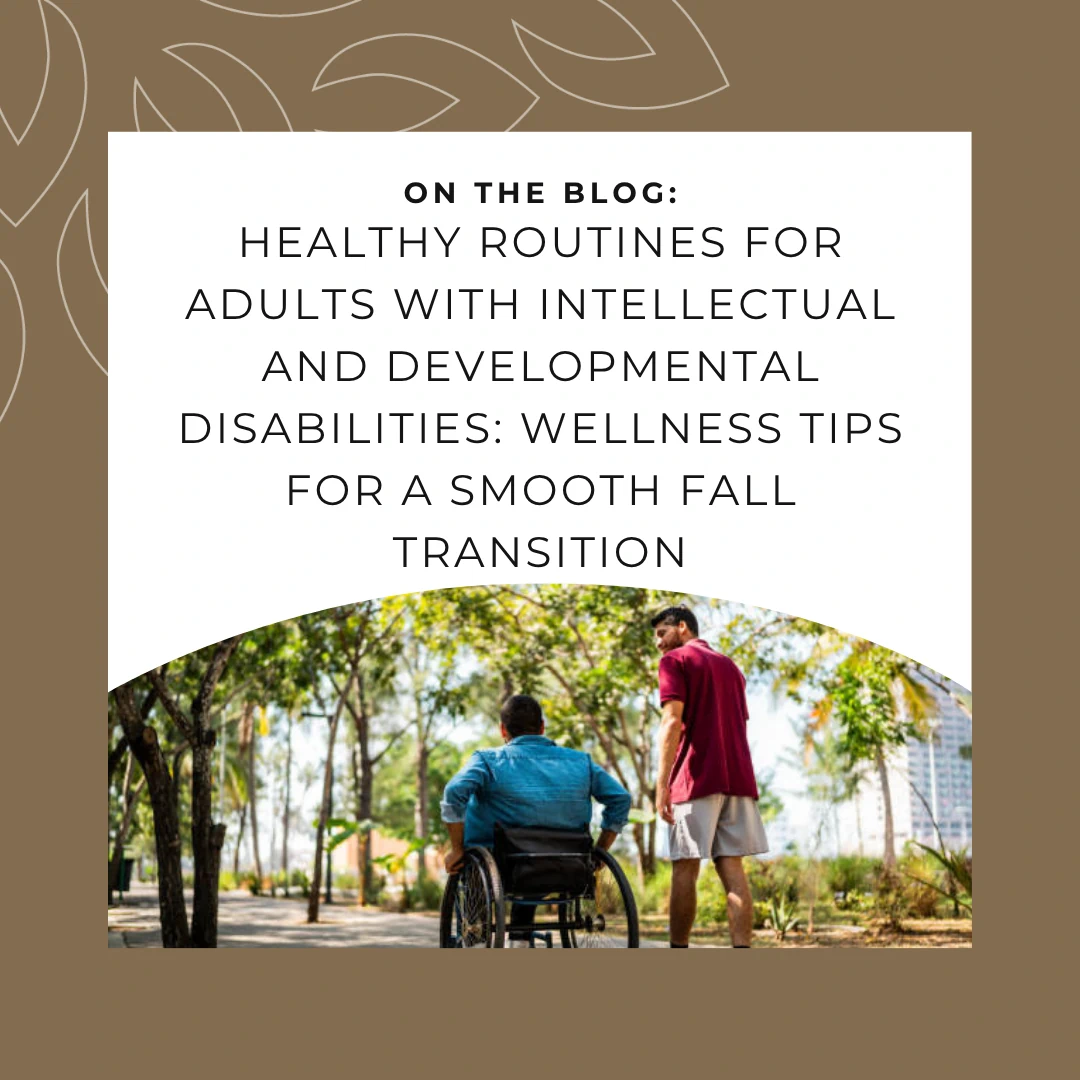
As summer transitions into fall, many of us naturally settle back into familiar routines. School buses return to the roads, calendars begin to fill up with extracurricular activities, and vacations slowly give way to everyday schedules. While this seasonal shift can feel like a simple adjustment for many, it is more significant for adults with intellectual and developmental disabilities (IDD), who often rely on consistent routines to feel confident, supported, and prepared for each day.
Routines provide more than just structure. They create stability, build confidence, and help make every day feel more predictable. Whether it’s waking up at the same time each morning, preparing meals, attending recreational activities and therapies, or taking a walk. These consistent habits help support physical health, emotional well-being, and greater independence.
There is no one-size-fits-all routine for adults with IDD. As families and caregivers prepare for the transition from summer to fall, it’s a great opportunity to revisit everyday habits that support wellness, encourage independence, and create a greater sense of stability. Whether you're making small adjustments to an existing routine or building new healthy habits, the following guide can help create a smoother seasonal transition while supporting long-term well-being.
Why Routines Matter
Many adults with IDD thrive when they know what to expect. A predictable routine can reduce anxiety, ease stress during transitions, and create opportunities to build life skills that encourage greater independence over time.
Think about your own day for a moment. You likely have routines you don’t think twice about. Maybe it’s making coffee before work, taking the dog for a walk after dinner, or reading before bed. These habits help you feel organized and familiar. The same is true for adults with IDD, where consistency provides comfort and confidence.
Healthy routines that include regular physical activity can also play an important role in supporting long-term wellness for adults with IDD. Movement doesn’t have to mean structured exercise or a trip to the gym. It can be as simple as taking a walk, gardening, stretching, dancing, or participating in activities that encourage people to stay active in ways they enjoy.
According to the Centers for Disease Control and Prevention (CDC), regular physical activity can improve mental health, strengthen muscles and bones, increase independence in daily activities, and reduce the risk of chronic diseases for adults with disabilities. Yet many adults with disabilities are not getting enough exercise, making simple daily movements even more important.
Preparing for the Summer-to-Fall Transition
Summer often brings a more relaxed rhythm. There may be fun summer and outdoor activities and therapies or later bedtimes with the daylight savings time. While these experiences are exciting, they can also interrupt routines that took months to establish.
For adults with IDD, returning to a familiar schedule doesn’t always happen overnight. A sudden shift in sleep schedules, daily activities, or expectations can feel overwhelming. Instead of changing everything at once, small adjustments can help make the transition feel more comfortable and manageable.
As fall approaches, trying to change everything overnight can feel overwhelming. Instead, focus on making small adjustments over a week or two. For example, if bedtime shifts later during the summer, start moving it back by 15 to 20 minutes every few nights. If morning routines become more relaxed, begin practicing earlier wake-up times before fall schedules officially begin. These small steps allow individuals to adjust while maintaining a sense of confidence and control.
Visual schedules, calendars, and checklists can also make these transitions easier. Seeing the day’s activities laid out ahead of time helps reduce uncertainty and gives individuals time to prepare for what’s next, and checking off the list provides a sense of accomplishment
Change doesn't have to be stressful when it is gradually introduced.
Building Healthy Habits That Last
Healthy Routines don’t need to be complicated. In fact, the simplest habits are often the easiest to maintain. A 2026 Pew Research Center survey found that while many Americans prioritize healthy behaviors like getting enough sleep, managing stress, and exercising regularly, creating sustainable habits remains a challenge. Small, consistent steps can help turn healthy choices into routines that last.
Stay Active Together
Physical activity plays an important role in overall health, but it doesn’t have to look the same for everyone.
A walk around the neighborhood, gardening, facing, swimming, stretching, and yoga are all excellent ways to stay active. The CDC recommends that adults with disabilities work toward at least 150 minutes of moderate-intensity physical activity each week, which is roughly four thirty minute workouts per week.
Physical activity has been shown to support heath health, improve sleep, reduce stress, increase energy levels and improve overall quality of life. Rather than thinking of exercise as another task on the to-do list, try making movement part of everyday life. A short walk after dinner or stretching before breakfast can become enjoyable habits that individuals will look forward to.
Make Healthy Eating Part of the Routine
Nutrition also plays an important role in supporting both physical and emotional well-being. Eating balanced meals throughout the day helps maintain energy, supports overall health, and can even have a positive impact on mood and focus.
Healthy eating doesn’t have to be complicated. Small, consistent choices like incorporating more fruits and vegetables, staying hydrated, and enjoying balanced meals can make a meaningful difference over time. Having regular mealtimes each day also creates structure, making the day feel more predictable and helping establish routines that are easier to maintain.
Like any healthy habit, it’s important to focus on progress rather than perfection. Building a routine around nutritious meals and healthy snacks can help individuals with IDD feel their best while supporting long-term wellness.
Prioritizing Restful Sleep
Quality sleep plays an important role in maintaining both physical and emotional well-being for adults with IDD. Consistent sleep routines can help support mood, concentration, energy levels, and the ability to participate in every day activities and therapies. A predictable bedtime and wake-up schedule can also provide a sense of stability, especially during seasonal transitions when daily routines may be changing.
According to 2026 data from the CDC, adults should aim for at least 7 hours of sleep each night, yet about 3 in 10 adults report getting less than the recommended amount. Getting enough quality sleep is linked to benefits like improved mood, better attention and memory, reduced stress, and overall health support.
As summer comes to an end, returning to a regular sleep schedule can help make the transition into fall feel less overwhelming. Small changes, like gradually adjusting bedtimes or maintaining consistent morning routines, can help make the shift feel more manageable.
Creating a calm, comfortable evening routine can also support better rest. Whether it’s listening to relaxing music, spending quiet time before bed, or following the same bedtime routine each night, these familiar habits can help signal that it’s time to wind down.
Like any healthy routine, sleep habits don’t have to be perfect. What matters most is creating consistency and finding a routine that helps each individual feel rested, supported, and ready to take on the day.
Wellness Goes Beyond Physical Health
A healthy routine is more than about eating well and getting enough sleep. Emotional wellness, social connection, and having a sense of purpose all play an important role in helping adults with IDD live fulfilling lives.
Participating in meaningful activities and therapies throughout the week can provide structure while also encouraging confidence and independence. Whether it’s gardening, yoga, arts & crafts, board game night, or movie night, these experiences help create opportunities for connection and personal growth.
Just as important, they give individuals with IDD something to look forward to. Having regular activities on the calendar can help reduce uncertainty and make transitions between seasons feel more manageable.
According to the CDC, adults with disabilities experience frequent mental distress more often than adults without disabilities. While every person’s experience is unique, maintaining consistent routines, staying socially connected, and participating in meaningful activities and therapies can all contribute to better emotional well-being.
Independence is Built One Step at a Time
One of the greatest benefits of a consistent routine is the opportunity to build independence.
Daily routines create natural opportunities to practice skills that support greater confidence over time. Simple tasks like organizing personal belongings, following a morning checklist, choosing clothes for the day, or helping care for a shared living space can reinforce independence while encouraging self-confidence. Progress does not happen all at once, and that’s okay.
Every new skill begins with practice. What starts as a reminder or a little extra support today can become part of an individual's routine tomorrow. Celebrating those small milestones helps build momentum and reminds everyone that independence is a journey, not a destination.
The transition from summer to fall can also be an opportunity to introduce new goals. Every new experience, from joining a community program to trying new activities, therapies, or daily living skills, opens the door to growth and greater independence.
Supporting Caregivers Supports Everyone
Healthy routines benefit more than the individual. They can also make life more manageable for families, caregivers, and direct care workers who are there every day.
A report found that nearly 63 million Americans provide ongoing care for a child or adult with a disability, representing nearly one in four adults in the United States. As caregiving responsibilities continue to grow, having predictable daily routines can help reduce stress, improve communication, and create a greater sense of stability for everyone involved.
Caregivers often spend time supporting others, so it’s easy to overlook their own well-being. Taking time to recharge and maintain a healthy routine of their own isn’t selfish, it’s an important part of providing consistent, compassionate support.
Research also suggests that wellness can be shared. A study published in the Journal of Applied Research in Intellectual Disabilities found that caregivers of adults with IDD who engaged in regular physical activity reported higher levels of well-being. These findings highlight how healthy habits can have a positive impact on both caregivers and the people they support.
Small Changes Can Make a Big Difference
Healthy routines aren’t built overnight. They develop through small, consistent actions that become part of everyday life. Whether it's maintaining regular sleep schedules, enjoying time outdoors, participating in community activities and therapies, or making time for moments and meaningful connections, these everyday moments help create a strong foundation for long-term wellness.
For adults with IDD, consistency can make everyday life feel more predictable and empowering. That’s why creating routines that reflect each person’s unique strengths, interests, and goals is so important. Rather than following a rigid schedule, the focus should be on building habits that encourage independence, confidence, and overall well-being.
Flatrock’s person centered-approach reflects that philosophy by creating supportive home environments where adults with IDD can build daily routines, strengthen life skills, and continue growing in ways that are meaningful to them. As summer transitions into fall, those familiar routines can provide the structure that help make seasonal changes feel less overwhelming.
Looking Ahead to a Healthy Fall
The transition from one season to the next is a chance to reset and refocus on the habits that support healthy, fulfilling life. For adults with IDD, consistent routines encourage independence, reduce stress, and create opportunities to build confidence every day.
Through compassionate care and individualized support, Flatrock helps adults with IDD live with purpose and a greater sense of belonging. By fostering meaningful relationships, encouraging community involvements, and supporting healthy daily routines, Flatrock creates an environment where individuals can continue to grow and thrive throughout every season.
As fall approaches, remember that lasting change is creating small, intentional steps like a favorite morning routine, time spent with friends, a walk outside, or an activity that brings joy. These simple moments add up, helping create healthier routines, stronger connections and a smoother transition into the season ahead.
If you're exploring adult foster care for a loved one with IDD Flatrock is here to help. Contact Flatrock today to learn how our person-centered foster care services help adults with IDD build independence, confidence, and meaningful daily routines.